Kheyt
A contract farming platform rebuilding trust between farmers and buyers.
Service design, Farming, 2026


Kheyt is a phygital supply system that connects farmers directly with local restaurants through pre-agreed crop contracts.
Contribution
Research, Branding UI/UX Design
Duration
2026 | 4 weeks
2026 | 4 weeks
Industry
Farming
Farming
Understanding The Problem
Farmers sign supply agreements with restaurants, wholesalers, processors, but once the contract is signed, communication collapses. Farmers receive little to no updates on delivery schedules, payment timelines, or acceptance rates. Buyers have no reliable way to track harvest readiness or produce quality without making repeated phone calls.
Understanding The Problem
01
No delivery transparency
Farmers couldn't tell how much contracted produce had been accepted vs. rejected, leaving them guessing until payment arrived.
No delivery transparency
Farmers couldn't tell how much contracted produce had been accepted vs. rejected, leaving them guessing until payment arrived.
02
No harvest signal for buyers
Procurement managers had no readiness indicator before delivery day, leading to surprise rejections and disputes.
No harvest signal for buyers
Procurement managers had no readiness indicator before delivery day, leading to surprise rejections and disputes.
03
03
Paper records, always disputed
Both sides maintained separate paper logs. When they disagreed, there was no arbiter and no shared source of truth.
Paper records, always disputed
Both sides maintained separate paper logs. When they disagreed, there was no arbiter and no shared source of truth.
Research & Discovery


Research & discovery
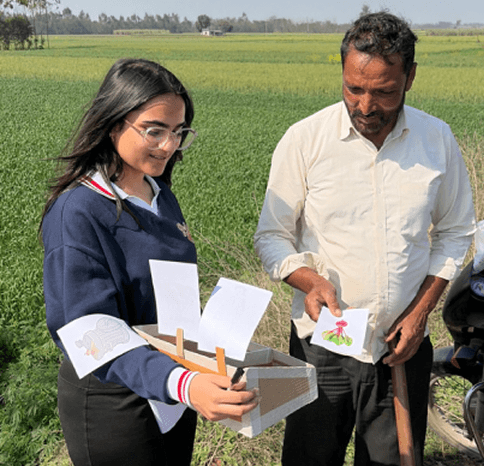
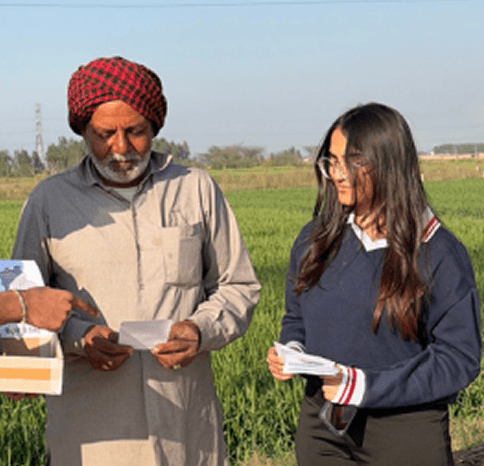
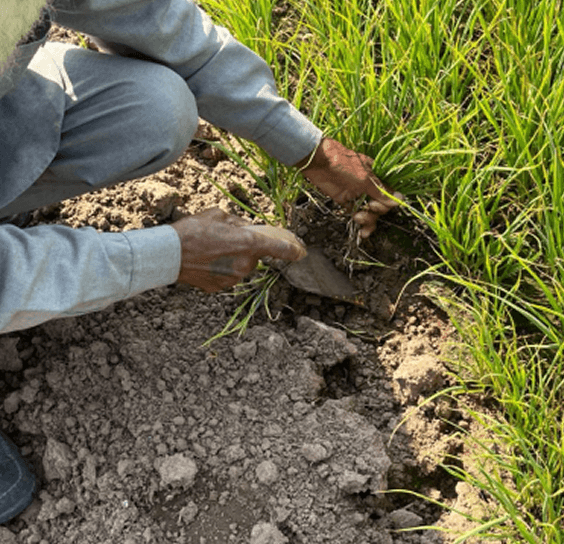
We conducted contextual interviews with farmers in rural farm areas. Journey mapping exposed a critical moment of peak anxiety, the window between harvest and the first payment confirmation, where farmers had done the work but had no visibility into what would happen next.
Competitive analysis revealed that most agritech apps were designed for urban buyers. The farmer-facing side was either absent or an afterthought. Accessibility constraints were significant, many farmer users had low literacy and intermittent connectivity.
We conducted contextual interviews with farmers in rural farm areas. Journey mapping exposed a critical moment of peak anxiety, the window between harvest and the first payment confirmation, where farmers had done the work but had no visibility into what would happen next.
Competitive analysis revealed that most agritech apps were designed for urban buyers. The farmer-facing side was either absent or an afterthought. Accessibility constraints were significant, many farmer users had low literacy and intermittent connectivity.
We conducted contextual interviews with farmers in rural farm areas. Journey mapping exposed a critical moment of peak anxiety, the window between harvest and the first payment confirmation, where farmers had done the work but had no visibility into what would happen next.
Competitive analysis revealed that most agritech apps were designed for urban buyers. The farmer-facing side was either absent or an afterthought. Accessibility constraints were significant, many farmer users had low literacy and intermittent connectivity.
Research & Discovery


Design decisions
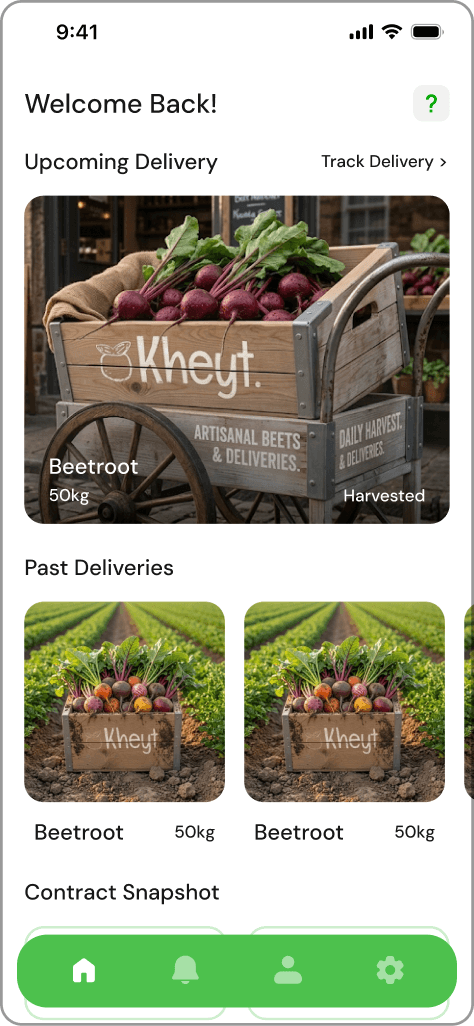
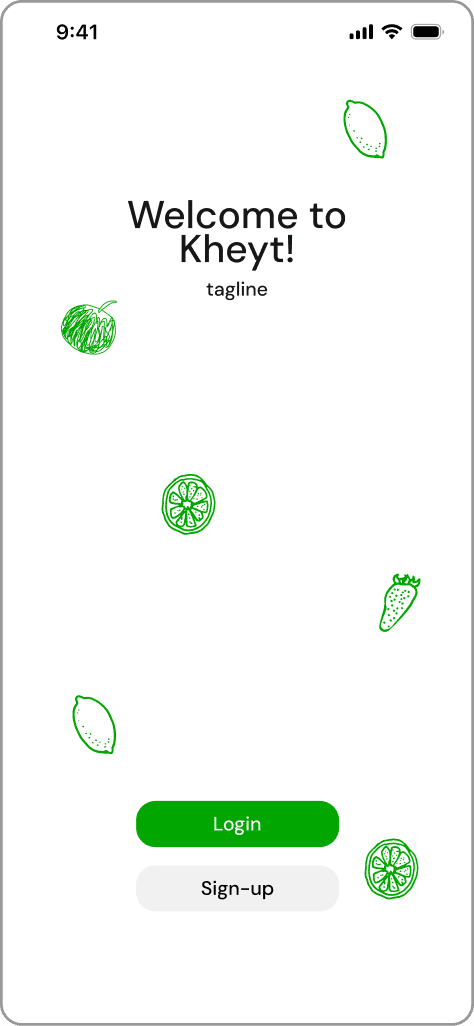
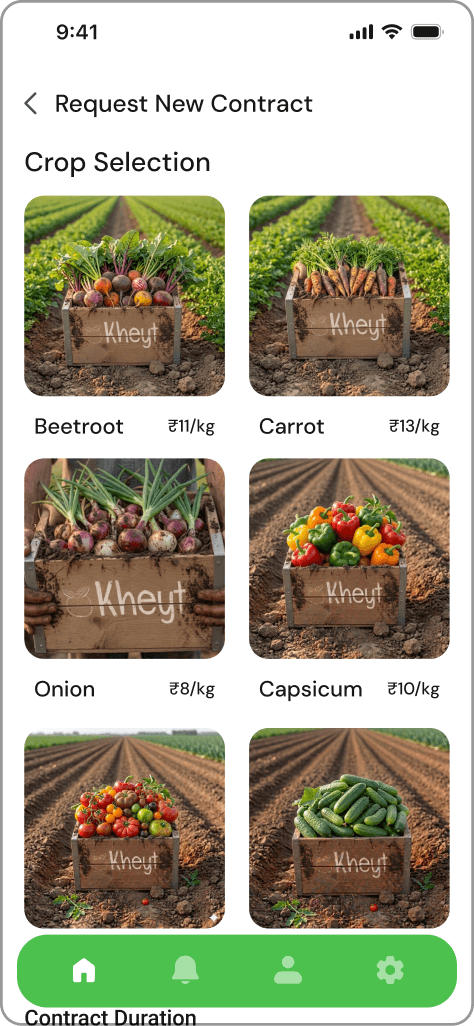
The visual language was deliberately minimal, a clean white surface with green as the sole action colour. Green was chosen not just for agricultural association but because it carries a universal safe / confirmed meaning that reduces cognitive load for users operating in stressful harvesting conditions.
Brand Identity


Mobile Screens


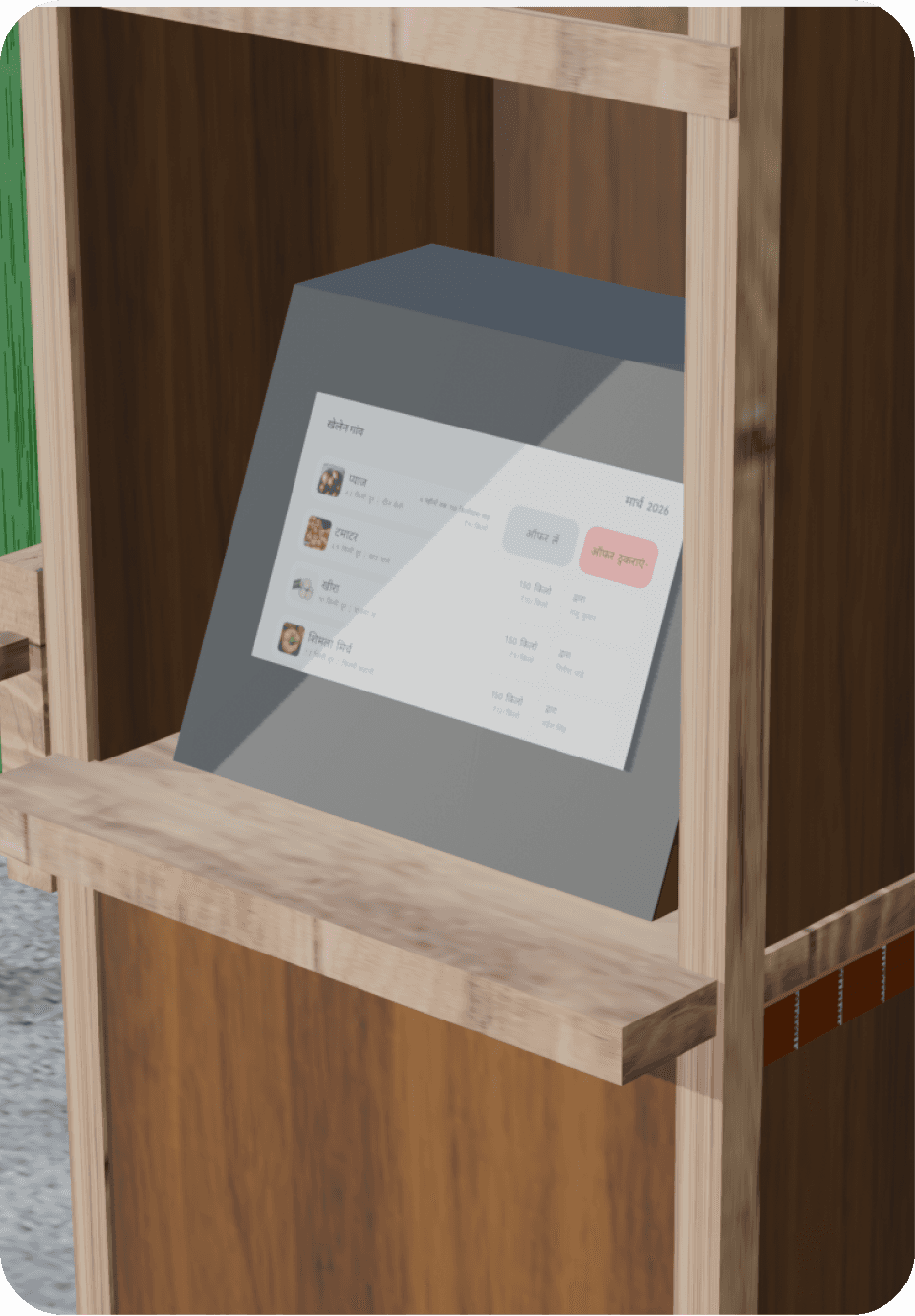
3D Models - Low Electricity Storage, Village Kiosk
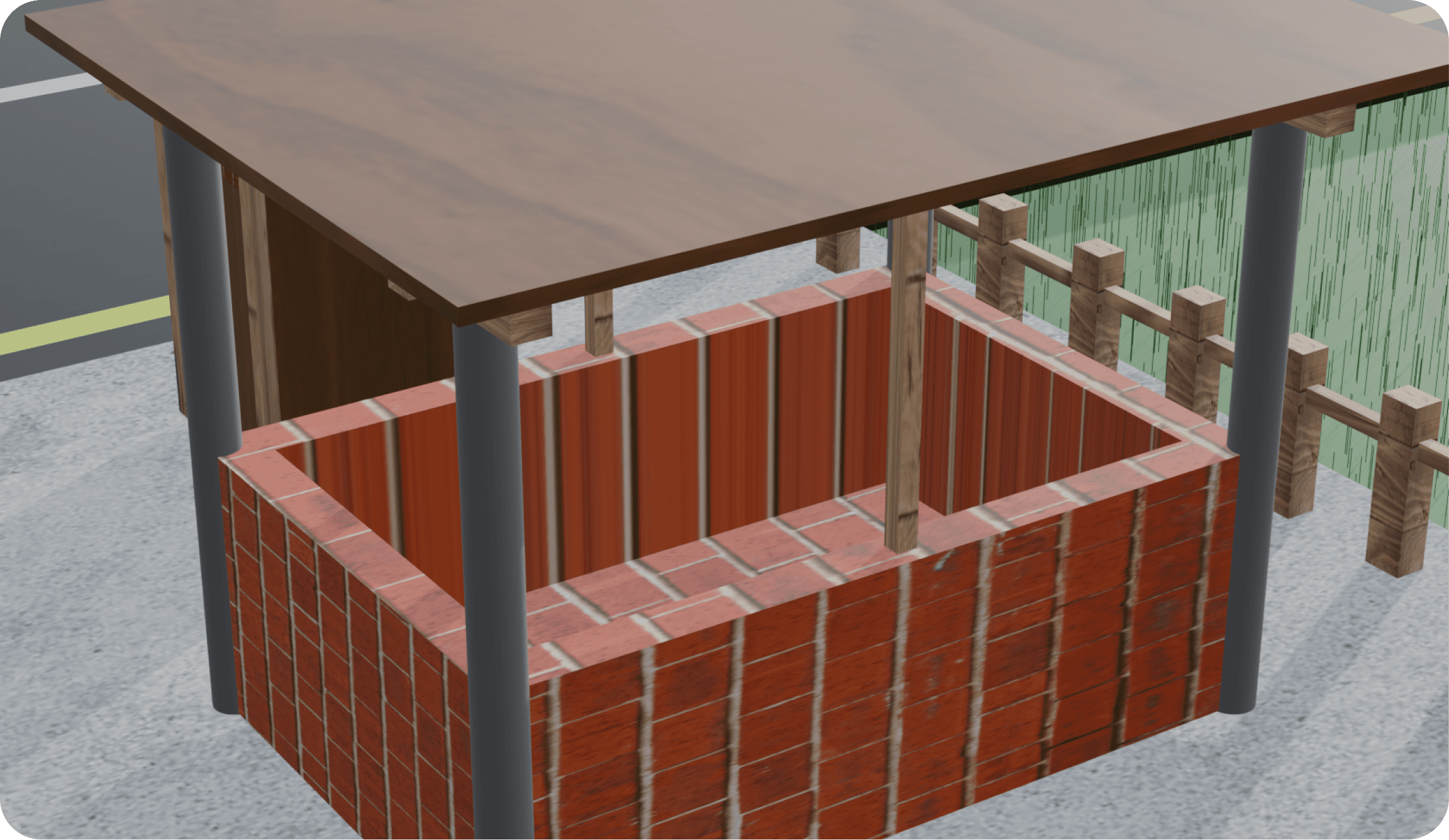

Low Literacy Kiosk

Outcome & reflection
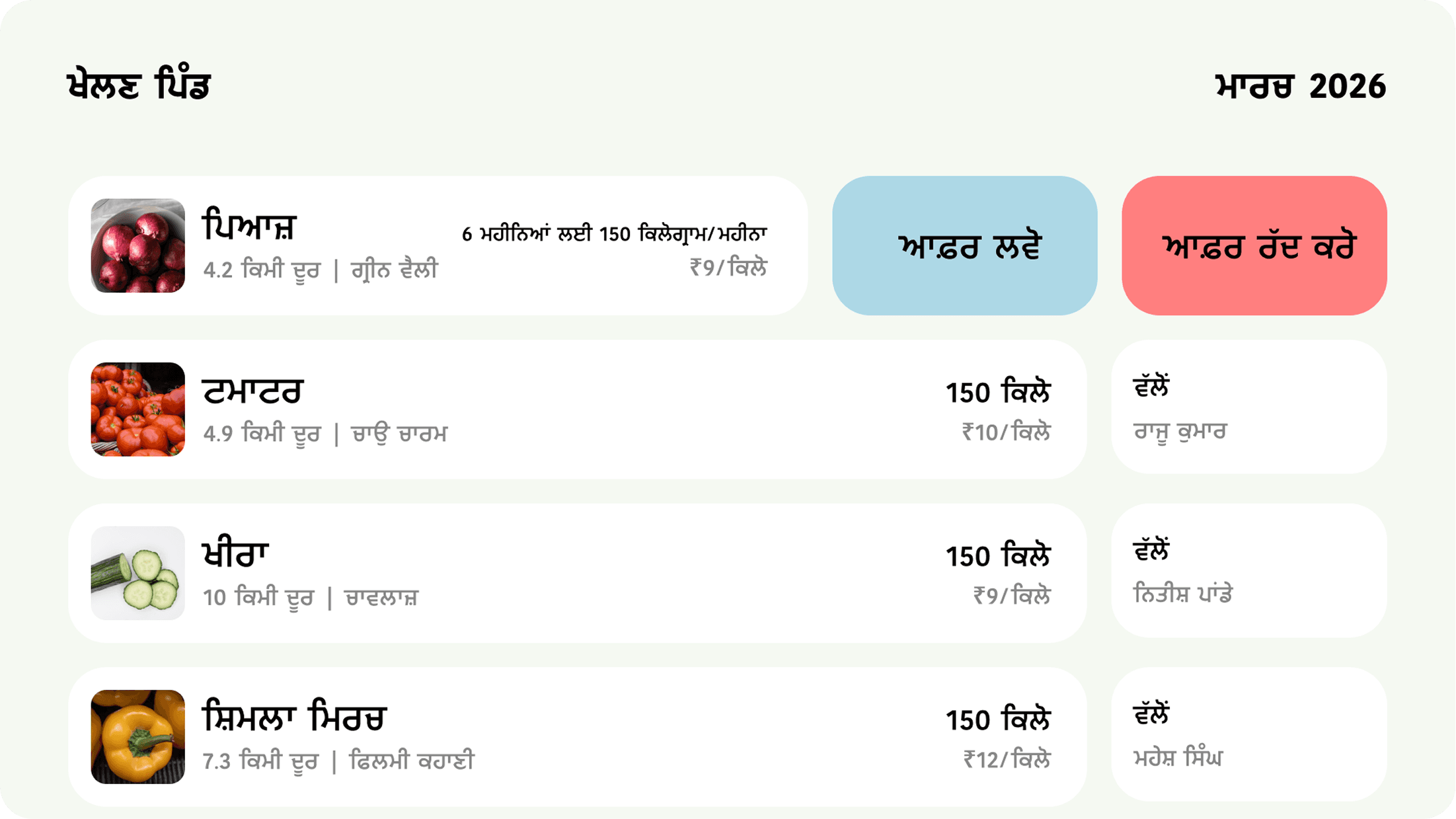
By surfacing delivery data, contract progress, and payment signals in one app, both farmers and buyers gained the shared context needed to operate without middlemen absorbing the trust premium.
"In low-literacy contexts, hierarchy matters more than information density. Stripping back to one primary action per screen was the decision that changed everything."
Key design learning
If revisiting this project, a voice first mode where farmers query delivery status by speaking, would be the next meaningful feature. The reading barrier is real, removing it entirely is the natural next step.
By surfacing delivery data, contract progress, and payment signals in one app, both farmers and buyers gained the shared context needed to operate without middlemen absorbing the trust premium.
"In low-literacy contexts, hierarchy matters more than information density. Stripping back to one primary action per screen was the decision that changed everything."
Key design learning
If revisiting this project, a voice first mode where farmers query delivery status by speaking, would be the next meaningful feature. The reading barrier is real, removing it entirely is the natural next step.
By surfacing delivery data, contract progress, and payment signals in one app, both farmers and buyers gained the shared context needed to operate without middlemen absorbing the trust premium.
"In low-literacy contexts, hierarchy matters more than information density. Stripping back to one primary action per screen was the decision that changed everything."
Key design learning
If revisiting this project, a voice first mode where farmers query delivery status by speaking, would be the next meaningful feature. The reading barrier is real, removing it entirely is the natural next step.